DooDooLamb News
This forgotten Pixel 10 feature just made my life a little bit easier — Here's how to use it
Brief published March 17, 2026 · Original source published March 15, 2026
Original reporting by [email protected] (Namerah Saud Fatmi), Namerah Saud Fatmi at androidcentral.com.
Automated brief. Verify important details at the original source.
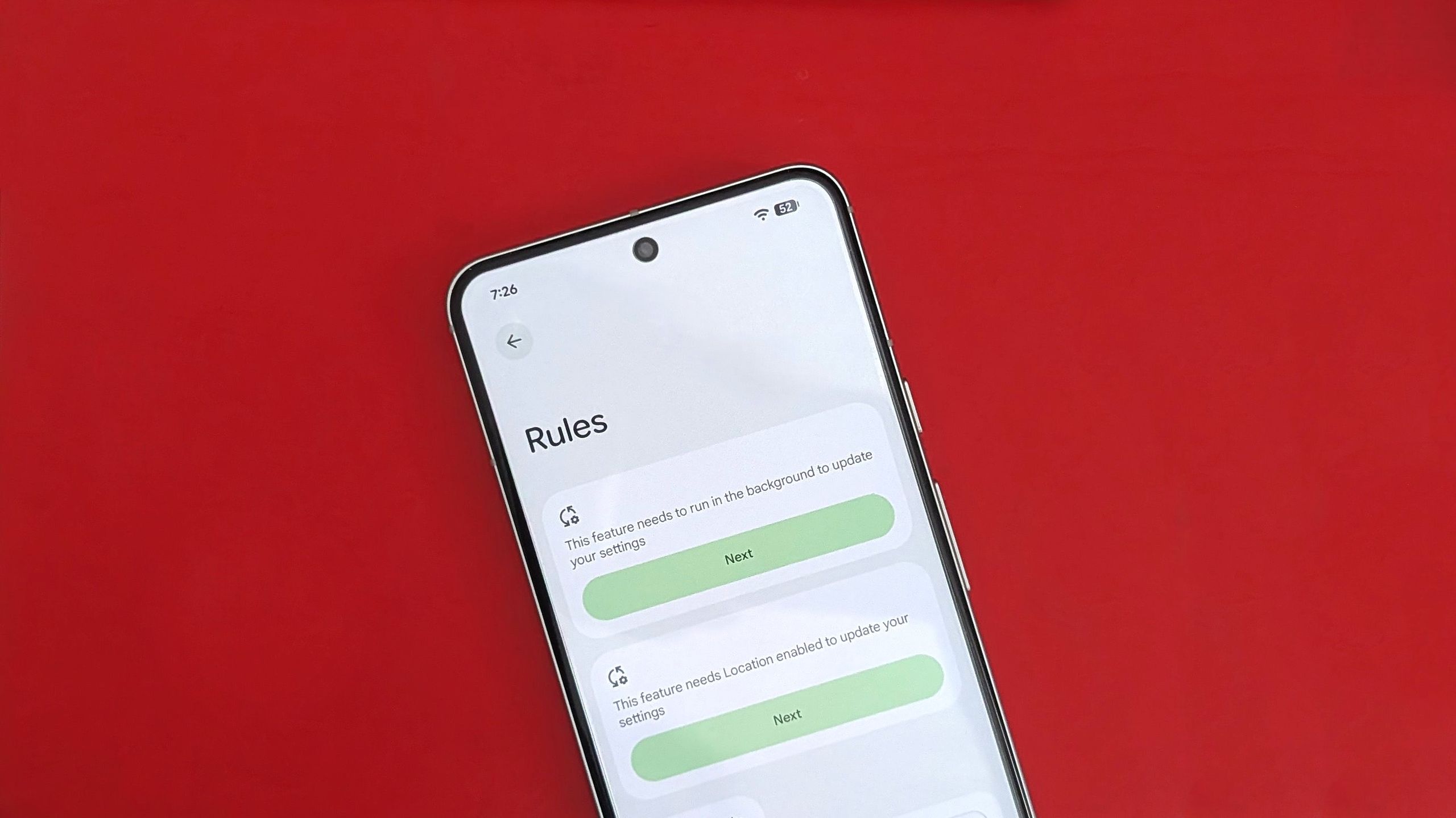
Google Discovers That Phones Should Actually Do Things Automatically, Celebrates With Quiet Feature Nobody Knows About
In a stunning display of product management excellence, Google has apparently spent five years perfecting a feature that does exactly what every smartphone user assumed their phone already did: automatically change settings based on context. The company's latest triumph? Making the Pixel 10's "Rules" feature so invisible that discovering it feels like finding a twenty-dollar bill in an old jacket pocket.
For those keeping score at home, Google introduced Rules back in 2019, around the same time they were killing Google Plus, restructuring their messaging strategy for the fourteenth time, and generally demonstrating their commitment to consistent product experiences. Rules was designed to automate your phone's behavior based on triggers like location, time, or activity. You know, like turning on Do Not Disturb when you arrive at the movie theater, or switching to vibrate during meetings. Revolutionary stuff that Palm Pilots were doing in 1997, but with more machine learning and privacy policies you'll never read.
The feature promptly vanished into that special Google graveyard reserved for actually useful tools (pour one out for Google Reader). Not killed, mind you, just relegated to the digital equivalent of being stored in your parents' basement. It lived on, buried somewhere in the Android Settings app like a digital cicada, waiting for its moment to emerge and confuse users who stumbled across it while trying to figure out why their Bluetooth keeps disconnecting.
But now, with the Pixel 10, Rules has apparently been given the full artificial intelligence treatment. Google's engineers, fresh off their latest breakthrough in making search results less helpful, have applied their considerable talents to making phone automation "smarter." What does this mean in practice? Well, according to the breathless coverage, you can now create rules that automatically adjust your phone's behavior based on sophisticated contextual awareness. Your phone might detect that you're at work and automatically silence notifications from your ex, or recognize that you're driving and helpfully switch your music to that podcast about cryptocurrency you've been avoiding.
The comedy here isn't that Google built this feature. Automation is genuinely useful, and plenty of power users have been cobbling together similar functionality with apps like Tasker for over a decade (Tasker being the digital equivalent of a Swiss Army knife designed by someone who really, really likes Swiss Army knives). The comedy is that Google built it, forgot to tell anyone about it, then spent years quietly improving it while their own marketing department apparently had no idea it existed.
This is peak Google product strategy: create something legitimately helpful, bury it in the interface like it's radioactive waste, then act surprised when tech journalists stumble across it and write "hidden feature" articles. It's the same company that built the most sophisticated search engine in human history and then decided to replace half the results with AI-generated summaries that confidently explain why you should add glue to pizza sauce.
The feature itself works exactly as advertised, which is both refreshing and somehow disappointing in our current era of overpromised and underdelivered tech. You set up a trigger (location, time, connected device), define an action (change volume, toggle WiFi, send a text), and your phone dutifully executes your commands like a digital butler who doesn't judge your life choices. It's the kind of straightforward functionality that makes you wonder why it took five years of "improvements" to make it worth mentioning.
The real question, of course, is whether anyone will actually use this feature now that it exists and allegedly works well. Google's track record with consumer adoption of genuinely useful features is about as consistent as their messaging app strategy. They'll probably announce a major redesign next year that makes Rules more "intuitive" by removing half the functionality and adding a chat bot that suggests automations based on your search history.
But here's the twist: this might actually be the rare Google feature that quietly improves people's lives without requiring them to sign up for another service, watch a ten-minute YouTube tutorial, or accept terms of service written by someone who clearly lost a bet. It's automation for people who didn't even know they wanted automation, hidden away where only the truly desperate or accidentally curious will find it.
In a world where tech companies announce every minor update with the fanfare typically reserved for papal elections, Google's decision to quietly perfect a useful feature and then not tell anyone about it is almost refreshingly honest. It's like they're admitting that sometimes the best products are the ones that just work, without needing a launch event, a celebrity endorsement, or an explanation of how this will revolutionize the future of human-computer interaction.
The Pixel 10's Rules feature probably won't change your life, but it might make your phone slightly less annoying, which in 2024 counts as a minor miracle. Now if only Google could apply the same quiet competence to literally any other product in their portfolio.