DooDooLamb News
Software engineer accidentally gains control of 7,000 robot vacuums, exposing serious security flaw
Brief published March 2, 2026 · Original source published March 1, 2026
Original reporting by Kevin Hughes at naturalnews.com.
Automated brief. Verify important details at the original source.
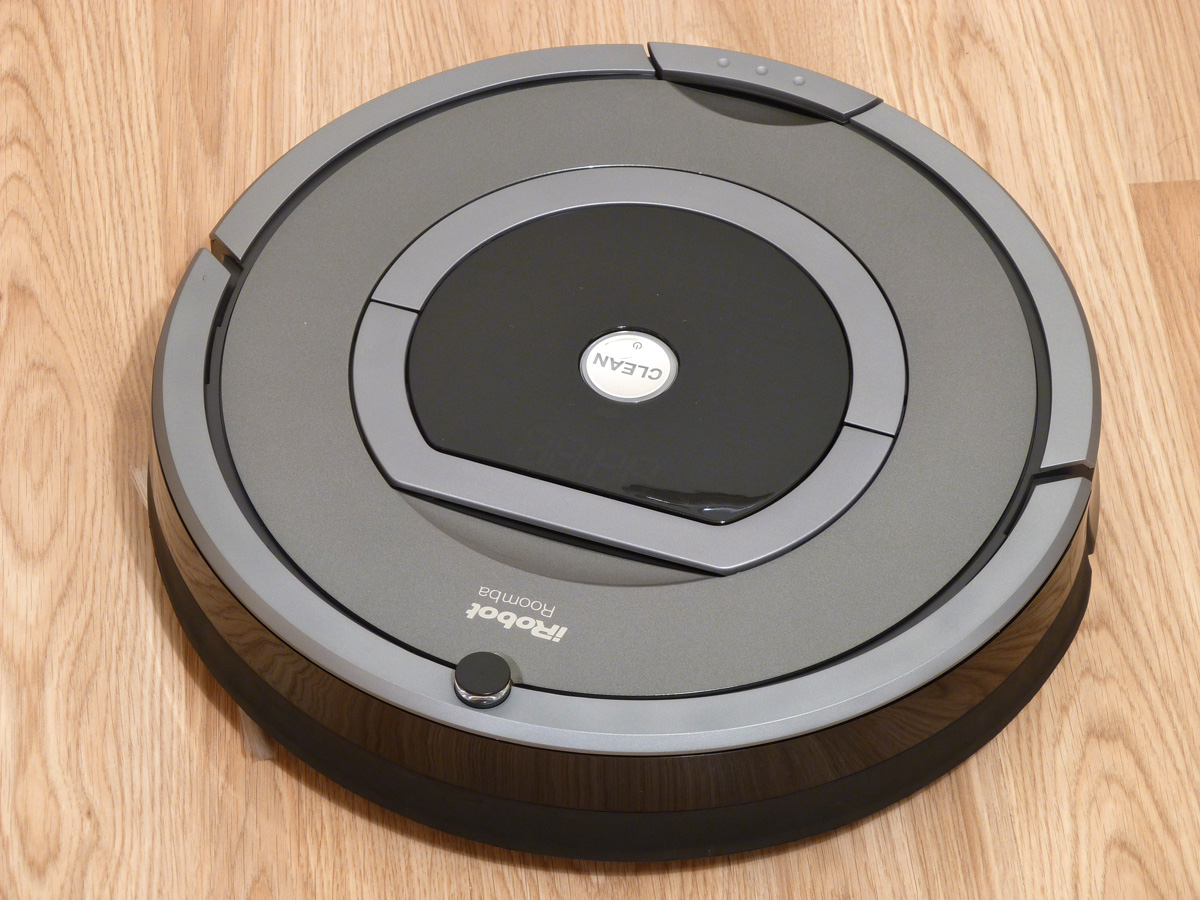
Software Engineer Becomes Accidental Overlord of 7,000 Robot Vacuums, World's Most Boring Surveillance Network
A software engineer has accidentally stumbled into controlling the world's lamest botnet: 7,000 robot vacuums spread across 24 countries, complete with live camera feeds, microphones, and detailed floor plans of people's homes. The discovery, made possible by AI coding tools that apparently work too well, has exposed a security flaw so gaping it makes a screen door on a submarine look secure.
The engineer, whose name hasn't been released (probably to protect them from angry cat owners whose Roomba conversations have been compromised), discovered they could access not just the vacuums themselves, but also their cameras, microphones, and the detailed maps these devices create as they bump into furniture with the determination of a drunk person looking for the bathroom. This means someone could theoretically watch your vacuum judge your housekeeping skills in real-time while simultaneously learning the exact layout of your home. It's like having a burglar case your joint, except the burglar is powered by a lithium-ion battery and gets confused by chair legs.
The vulnerability affects a specific brand of robot vacuums (the company name is being withheld pending fixes, though we're guessing it rhymes with "why didn't we think about security"). These aren't your grandmother's simple disc-shaped floor cleaners that just bounce around randomly until they find some dog hair. Modern robot vacuums are essentially smartphones with brushes attached, equipped with cameras for navigation, microphones for voice commands, WiFi connectivity for remote control, and apparently the cybersecurity equivalent of leaving your front door not just unlocked, but propped open with a welcome mat that says "please rob me."
The engineer discovered this digital disaster while experimenting with AI coding tools, those increasingly popular assistants that can write code faster than a caffeinated intern but with about the same level of consideration for consequences. The AI apparently helped identify security weaknesses in the vacuum's system that were so obvious, it's like the manufacturers designed them while blindfolded. The flaw allowed unauthorized access to what security researchers call "basically everything": live video feeds, audio recordings, stored floor plans, and device location data. Imagine explaining to your insurance company that your home was burgled because someone hacked your vacuum cleaner and used it to scout your security setup.
What makes this particularly absurd is that these robot vacuums create incredibly detailed maps of homes as they navigate, storing information about room layouts, furniture placement, and traffic patterns. They know which rooms you spend time in, when you're home, and probably judge you for that pile of laundry in the corner that never seems to get smaller. This mapping data, combined with camera and microphone access, essentially turns each vacuum into a tiny, mobile surveillance device that you paid money to bring into your home and then plugged into your WiFi network. It's like voluntarily installing a security camera system for burglars, except it also occasionally picks up some dust bunnies.
The discovery highlights the broader problem of Internet of Things (IoT) devices, a category that includes everything from smart lightbulbs to refrigerators that can tweet about your grocery habits. Manufacturers rush to add connectivity to everyday objects without apparently considering that connecting something to the internet means other people on the internet can potentially access it. The result is a world where your doorbell might be part of a cryptocurrency mining operation and your vacuum cleaner could be streaming your morning routine to strangers. We've created a future where literally everything is smart except the security protecting it.
The reality is that this incident represents something much larger and more troubling than just poorly secured cleaning robots. IoT devices have become the digital equivalent of leaving spare keys under fake rocks all over your property, except the rocks are labeled "SPARE KEY HERE" and connected to a network that broadcasts their location. For developers and security professionals, this is another reminder that every connected device is a potential entry point, and consumers are largely unaware of the surveillance apparatus they're assembling in their own homes, one "convenient" purchase at a time.
The silver lining, if you can call it that, is that the engineer responsibly reported the vulnerability instead of starting a side business in home surveillance or creating the world's most pathetic robot army. But it raises the uncomfortable question of how many other household devices are currently accessible to anyone with basic technical skills and too much free time. Your smart TV might be watching you back, your alexa could be sharing more than weather updates, and apparently your vacuum cleaner has been taking detailed notes about your lifestyle choices all along.