DooDooLamb News
Anthropic’s Stand Against Pentagon AI Demands: A Turning Point for Tech Ethics
Brief published February 28, 2026 · Original source published February 27, 2026
Original reporting by Mike Adams at naturalnews.com.
Automated brief. Verify important details at the original source.
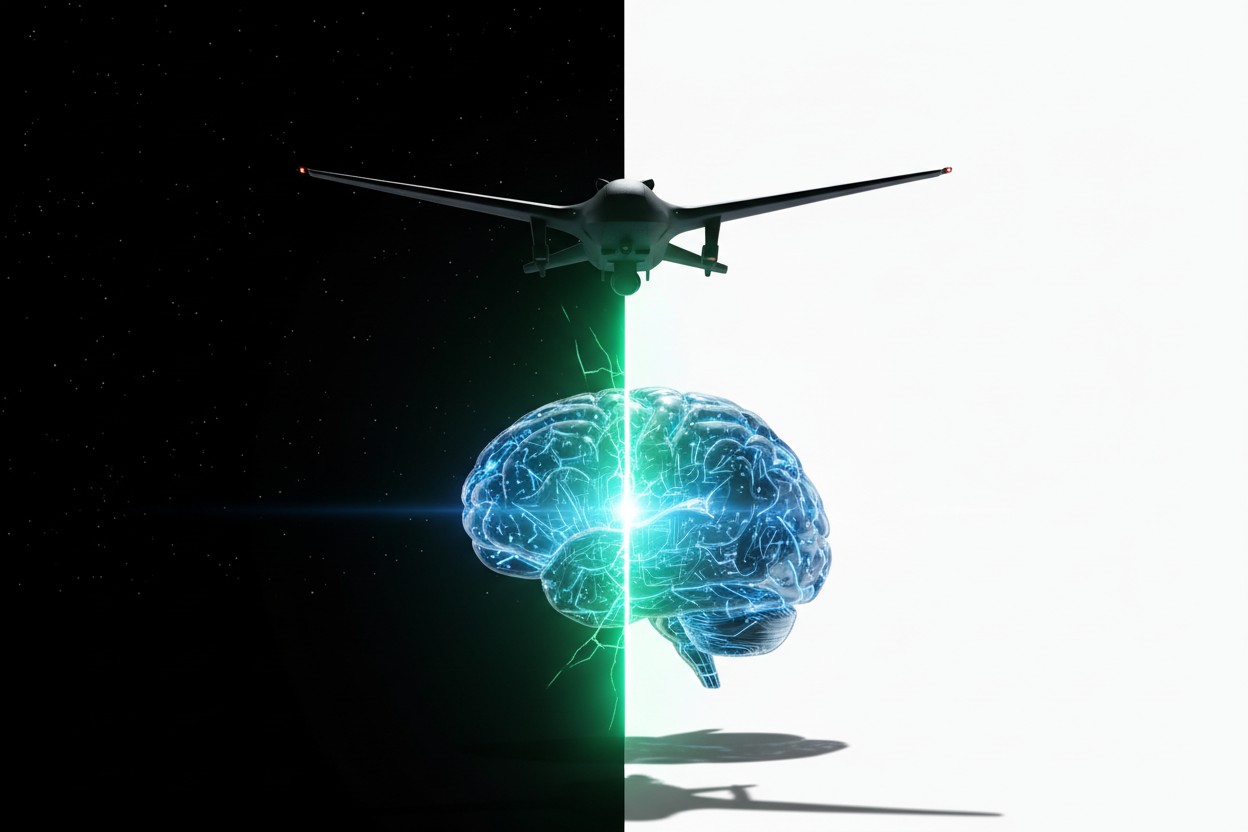
Anthropic Tells Pentagon to Find Another AI to Help With the Murdering
In a shocking display of corporate backbone not seen since the last solar eclipse, AI safety company Anthropic has reportedly declined to weaponize their chatbot for the Department of Defense. Sources confirm this marks the first time in recent memory that a tech company has said "no" to a government contract without first calculating the stock price impact.
The news broke when industry insiders revealed that Anthropic, makers of the Claude AI assistant, had turned down Pentagon approaches to develop military applications for their technology. This decision apparently came after extensive internal discussions that lasted nearly as long as a ChatGPT response about quantum mechanics, with leadership ultimately concluding that teaching their AI to optimize kill chains might conflict with their stated mission of building "safe, beneficial AI."
The Pentagon's interest in Anthropic's technology shouldn't surprise anyone who's watched the military's recent AI shopping spree. The Department of Defense has been acquiring artificial intelligence tools with the enthusiasm of a startup founder discovering product-market fit, funding everything from autonomous weapons systems to AI-powered logistics. Their approach to AI procurement follows the classic government playbook: throw money at the shiniest technology available and figure out the ethical implications later, preferably after the next budget cycle.
Anthropic's refusal puts them in rarified air among Silicon Valley companies. While most tech giants have developed an impressive ability to compartmentalize their "don't be evil" mottos when government contracts appear, Anthropic seems to have read their own mission statement and taken it seriously. The company, founded by former OpenAI researchers who left over safety concerns, has built their entire brand around responsible AI development. Apparently, this commitment extends beyond clever marketing copy and actually influences business decisions, a concept so novel it should probably be patented.
The decision becomes more interesting when you consider Anthropic's recent fundraising success. The company has raised billions from investors including Google, which suggests they're not exactly hurting for revenue streams. This financial cushion likely made it easier to decline government money, though cynics might note that taking a principled stand is considerably more affordable when you're already flush with cash. Still, in an industry where "growth at all costs" remains the unofficial motto, choosing ethics over expansion deserves recognition, even if it required a comfortable bank balance to make the choice.
The military applications for large language models like Claude extend far beyond the science fiction scenarios that dominate headlines. Modern AI systems excel at processing vast amounts of data, identifying patterns, and making recommendations, skills that translate directly to military intelligence, strategic planning, and operational coordination. The line between "helping soldiers make better decisions" and "optimizing targeting algorithms" grows thinner with each passing software update. Anthropic apparently decided they'd rather not find out where exactly that line exists through trial and error with actual weapons systems.
This rejection highlights the growing tension between AI companies' safety rhetoric and the reality of building commercially viable products. Every major AI lab talks extensively about alignment, safety, and beneficial outcomes, but these principles face their sternest test when large checks arrive with uncomfortable strings attached. Google famously withdrew from the Pentagon's Project Maven after employee protests, only to continue pursuing other government contracts with less publicity. The pattern suggests that principled stands often depend more on public relations calculations than genuine ethical frameworks.
For the broader tech industry, Anthropic's decision raises uncomfortable questions about the relationship between innovation and military power. Silicon Valley has long maintained the fiction that technology is neutral, a position that becomes harder to defend when your neutral technology gets mounted on autonomous killing machines. The industry's historical amnesia about its own role in military applications would be impressive if it weren't so convenient for quarterly earnings calls.
The practical implications of Anthropic's stance remain unclear. The Pentagon isn't exactly short of AI vendors willing to take their money, and Anthropic's competitors are unlikely to follow suit if it means leaving revenue on the table. OpenAI, Microsoft, and Google all maintain various degrees of government relationships, though they prefer to discuss their partnerships in terms of "supporting democratic values" rather than "helping the military kill people more efficiently." The euphemisms keep changing, but the contracts keep getting signed.
In the end, Anthropic has chosen to be the AI company that says no to weapons development, at least for now. Whether this principled stand survives future funding pressures, competitive threats, or changes in leadership remains to be seen. But for the moment, they've demonstrated that tech companies can occasionally remember their stated values when the money gets complicated. It's a small victory for corporate ethics, even if the cynic in all of us is already wondering how long it will last.