DooDooLamb News
Trump and tech executives sign ‘morally binding’ AI document at White House
Brief published October 1, 2026 · Original source published September 30, 2026
Original reporting by Diego Almada Lopez at cryptobriefing.com.
Automated brief. Verify important details at the original source.
What happened
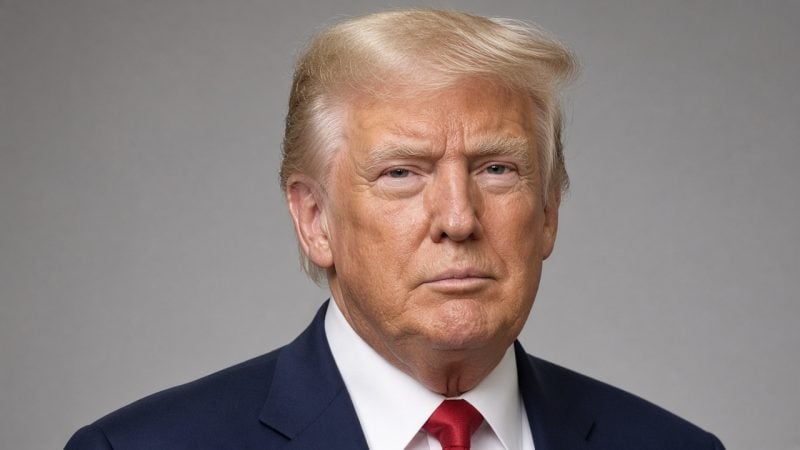
President Donald Trump and a group of tech executives signed what the White House is calling a 'morally binding' AI accord at the White House. The agreement, referred to as the White House Accord on Super Intelligence, asks AI companies to self-regulate their development and deployment practices. The document carries no legal penalties for noncompliance, making it effectively a voluntary commitment rather than an enforceable regulatory instrument.
Why it matters
The accord signals that the current U.S. administration is favoring industry self-governance over formal regulatory frameworks for advanced AI. Critics and observers warn this approach risks inadequate oversight, particularly as AI systems grow more capable. The absence of legal enforcement mechanisms leaves accountability dependent entirely on voluntary company behavior.
What to watch
Whether signatory companies follow through on self-regulatory commitments without legal pressure will be a key test. Any move by Congress or federal agencies to convert the accord's principles into binding legislation would mark the next major procedural milestone.