DooDooLamb News
Google Home Speaker (2026) vs. Nest Mini: Taller or smaller?
Brief published July 6, 2026 · Original source published July 4, 2026
Original reporting by Nicholas Sutrich at androidcentral.com.
Automated brief. Verify important details at the original source.
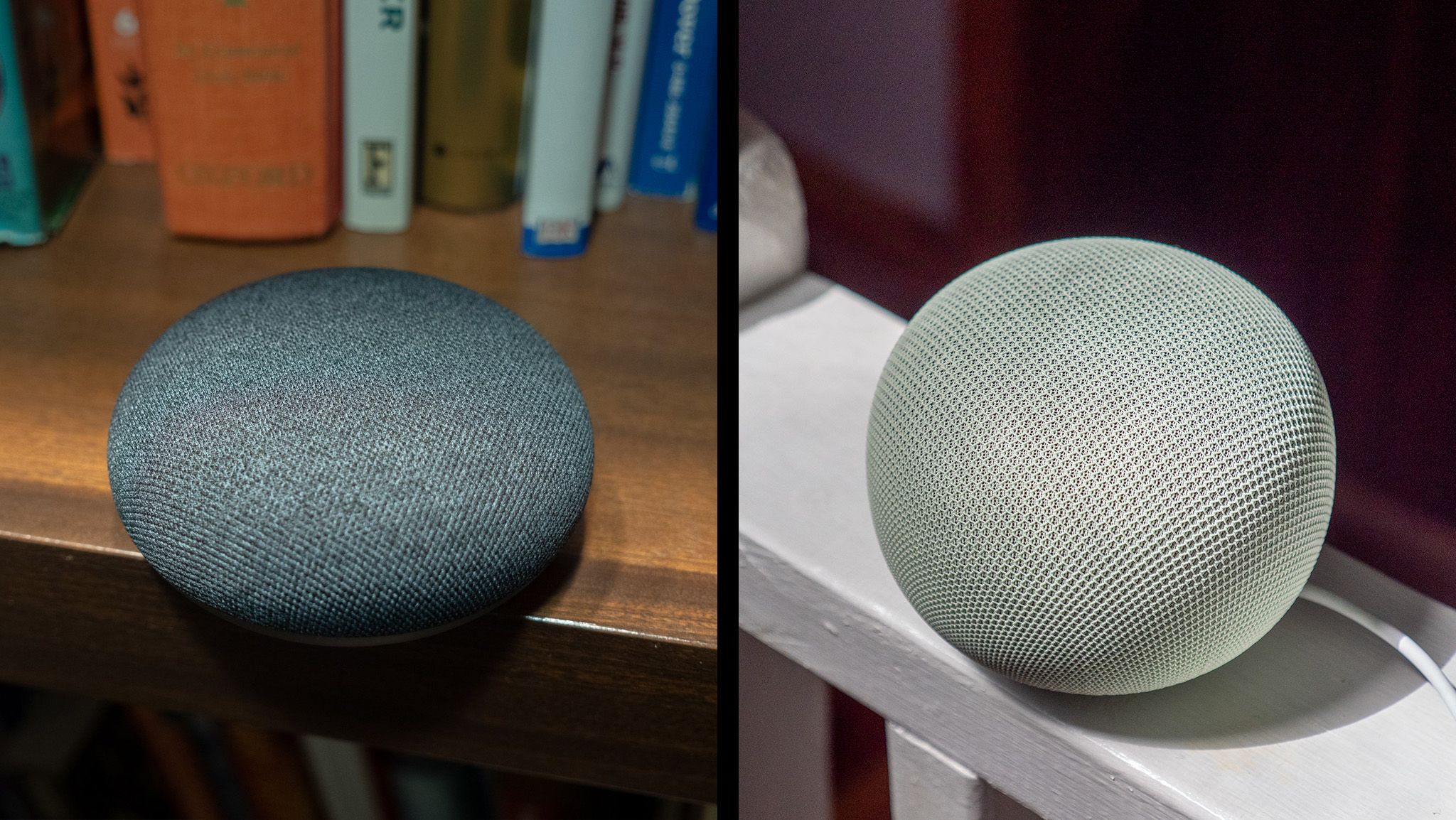
Google Spent Five Years and a Trillion Parameters to Make a Speaker That's Slightly Taller
The Nest Mini came out in 2019. The iPhone that year had two cameras. "Old Town Road" was number one. And Google, apparently satisfied with its work, decided the smart speaker market could wait half a decade before it needed a refresh.
That wait is now over, and the verdict is in: the new Google Home Speaker (2026) is taller. Groundbreaking stuff.
---
To understand the comedy of this product comparison, you need to understand what the Nest Mini was: a hockey puck with a fabric shell and the ambient intelligence of a slightly distracted intern. It would set your timers, play your Spotify, and, roughly one in four times, answer your question about the weather with a three-paragraph disclaimer about how it found some information that might be helpful. It cost $49. It was fine. It has been sitting on nightstands and kitchen counters since the year "Cats" came out in theaters, quietly collecting dust and the occasional request to turn off the living room lights.
Five years later, Google has returned to the smart speaker category with the energy of someone who forgot they had a dentist appointment and is now very aggressively brushing their teeth in the parking lot. The new Google Home Speaker runs on Gemini, which is Google's large language model, which means instead of a distracted intern fielding your questions, you now have a distracted intern who has read the entire internet. The practical difference, for the purposes of asking what the weather is like, is approximately zero. The philosophical difference is enormous and mostly useful for blog posts.
Gemini, for the uninitiated, is Google's attempt to consolidate its various AI efforts into one brand that they can put on everything from Workspace to a $49 speaker. A large language model, at its core, is a system trained on incomprehensible amounts of text that learns to predict the next word in a sequence well enough that the outputs eventually become indistinguishable from competent writing, coherent reasoning, or, in this case, a voice assistant that can tell you about your calendar without sounding like it's reading from a corrupted XML file. Whether this makes the speaker dramatically better at playing podcasts remains an open question that the product comparison article we're working from takes very seriously.
The Nest Mini, by contrast, ran on Google Assistant, which was itself a reasonably impressive piece of technology in 2019 that has since been systematically de-emphasized, restructured, and slowly merged into Gemini with the energy of a corporate rebrand that no one asked for but everyone had to sit through a all-hands presentation about. The old Assistant is still technically alive in the way that a company's "legacy product line" is still alive: it exists, it gets security patches, and nobody at headquarters is particularly proud of it anymore.
What you get with the new speaker, physically, is something taller and cylindrical, which the design language people apparently feel represents forward motion. The Nest Mini was flat and round, sitting against surfaces like it was trying not to be noticed. The 2026 model stands upright, presumably so it can better project Gemini's confidence into your kitchen. There are real improvements here that are worth acknowledging: better audio, a more conversational AI that can handle multi-turn questions without losing the thread, and tighter integration with the rest of Google's smart home ecosystem in ways that might actually matter if your house looks like a Google IO demo. The sound quality gap is reportedly meaningful. Giving credit where credit is due is the responsible thing to do before immediately noting that "meaningful sound quality gap on a $49-$79 speaker" is the audio equivalent of arguing about which economy seat has the most legroom.
---
The reality check here is straightforward and slightly melancholy. Smart speakers, as a category, peaked culturally around 2018, when every tech publication ran breathless coverage of how voice interfaces were going to replace screens and keyboards and possibly human interaction in general. Then everyone bought one, put it in the kitchen, used it to set timers and ask trivial questions, and moved on with their lives. Amazon's Echo division reportedly lost billions. Google's smart home hardware strategy has been reorg'd more times than most engineers have changed jobs. The category did not die, but it also did not become what anyone promised.
What the Google Home Speaker (2026) actually represents for developers and founders is a data point about where Google is willing to put Gemini: everywhere, including in objects that mostly just need to play music reliably. The bet is that on-device and cloud-hybrid AI will make these interfaces good enough that people start actually using them for more than timers again. That's a real bet. It might even pay off. But the upgrade path from Nest Mini to this requires buying a new piece of hardware to run an AI model on top of a use case that has not materially changed in six years, which is either a compelling value proposition or a description of the entire consumer electronics industry, depending on your mood.
---
Google built a speaker powerful enough to run one of the most sophisticated language models in human history, and the flagship use case in the product comparison is whether it can finally understand you when you ask it to play the right playlist the first time. Somewhere, a team of researchers who spent years training Gemini on the sum total of human knowledge is watching a YouTube Short of someone asking their speaker to turn on the bathroom light. The speaker gets it right. Everyone claps. This is where we are.