DooDooLamb News
The Booing Will Continue Until Commencement Speeches Improve
Brief published May 25, 2026 · Original source published May 23, 2026
Original reporting by Mike Pearl at gizmodo.com.
Automated brief. Verify important details at the original source.
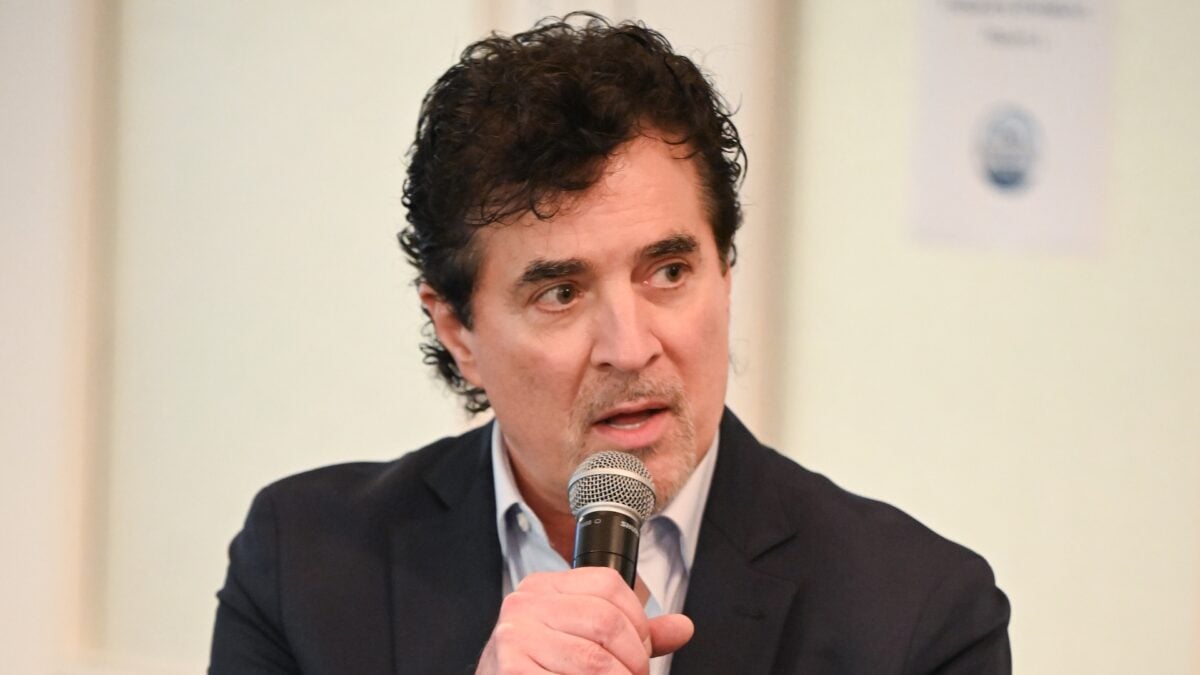
Music Executive Tells Graduates AI Will Save Them From Themselves, Gets Predictable Response
Scott Borchetta, the man who discovered Taylor Swift and then spectacularly fumbled that relationship, decided this weekend was the perfect time to explain artificial intelligence to a bunch of college graduates. The crowd's reaction was about as enthusiastic as you'd expect from people who just spent four years watching ChatGPT do their classmates' homework.
The Big Machine Label Group founder delivered what can only be described as a masterclass in reading the room incorrectly at Belmont University's commencement ceremony. While most graduation speakers stick to safe territory like "follow your dreams" and "the world needs your unique talents," Borchetta chose violence, telling the class of 2026 that AI would be their "personal tutor, co-pilot, and creative collaborator." The boos that followed were so sustained they could have powered a small recording studio.
This is the same Scott Borchetta who sold Taylor Swift's master recordings without her knowledge, proving he has a remarkable talent for understanding exactly what creative people don't want to hear. Now he's back with fresh insights about how machines will revolutionize the creative process. It's like watching someone explain fire safety while actively holding a lit match to a pile of sheet music.
The speech itself reads like a LinkedIn thought leader post that achieved sentience and demanded a podium. Borchetta opened by acknowledging that young people see AI as "a source of adversity" (translation: they've figured out it's designed to replace them), then spent the rest of his time explaining why they're wrong to feel that way. He positioned himself as the wise elder who built his fortune in simpler times, back when you could apparently make money in the music industry without algorithmic assistance. The irony of a music executive lecturing about embracing technological disruption while his industry still hasn't figured out how to properly compensate artists in the streaming era was apparently lost on everyone except the graduating class.
The heart of Borchetta's argument was that AI will become students' "personal tutor, co-pilot, and creative collaborator." This is the kind of phrase that sounds revolutionary in a boardroom and dystopian everywhere else. A personal tutor that learned everything from scraping the internet without permission. A co-pilot that can't tell you when it's wrong. A creative collaborator that generates work based on training data it legally can't acknowledge using. It's like being offered a writing partner who's read every book ever written but can't remember where any of the ideas came from, and also might be lying about understanding what any of it means.
But Borchetta wasn't content to simply evangelize AI as a productivity tool. He went full venture capitalist, describing a future where these systems would help graduates "solve complex problems" and "enhance human capabilities." This is where the speech crossed from tone-deaf into genuinely insulting territory. Here's a generation that watched AI companies hoover up their professors' research papers, their favorite authors' novels, and their artists' portfolios to train models that might eventually make their degrees obsolete, and they're being told this is actually good for them. It's the technological equivalent of being mugged and then lectured about the importance of sharing.
The crowd's response suggests that maybe, just maybe, this generation isn't buying what Silicon Valley is selling. These students lived through the crypto hype cycle while trying to afford textbooks. They watched NFTs promise to revolutionize digital ownership while their student loan payments automated monthly. They've seen enough "revolutionary" technologies that somehow always seem to benefit the people selling them more than the people using them. When someone whose net worth depends on intellectual property tells them AI will be their friend, they have the good sense to boo.
The reality check here is uncomfortable for everyone involved. Borchetta isn't entirely wrong that AI will be part of these graduates' professional lives. The technology isn't going anywhere, and the students who figure out how to use it effectively without losing their souls probably will have some advantages. But the idea that this should be cause for celebration rather than careful consideration is where the whole speech went sideways. These are people entering a job market where "AI-enhanced" increasingly means "formerly human-performed," and they're being asked to applaud their own potential obsolescence.
What's actually happening is that we're watching the first generation of workers who grew up with the internet navigate a technology that threatens to automate away creativity itself. They understand the tools better than their elders, but they also understand the implications better. They know that "AI will enhance your capabilities" often translates to "AI will do your job while you optimize the prompts," and they're not particularly excited about that future.
The booing will continue until the commencement speeches improve, but more importantly, until the technology industry stops pretending that disruption is always progress. These graduates aren't afraid of AI because they don't understand it; they're wary because they understand it perfectly well, and they've correctly identified that the people selling it to them aren't necessarily on their side.