DooDooLamb News
Motorola Razr Ultra 2026 vs. Samsung Galaxy S26 Ultra: Two ultra phones for two different types of people
Brief published May 12, 2026 · Original source published May 10, 2026
Original reporting by [email protected] (Christine Persaud), Christine Persaud at androidcentral.com.
Automated brief. Verify important details at the original source.
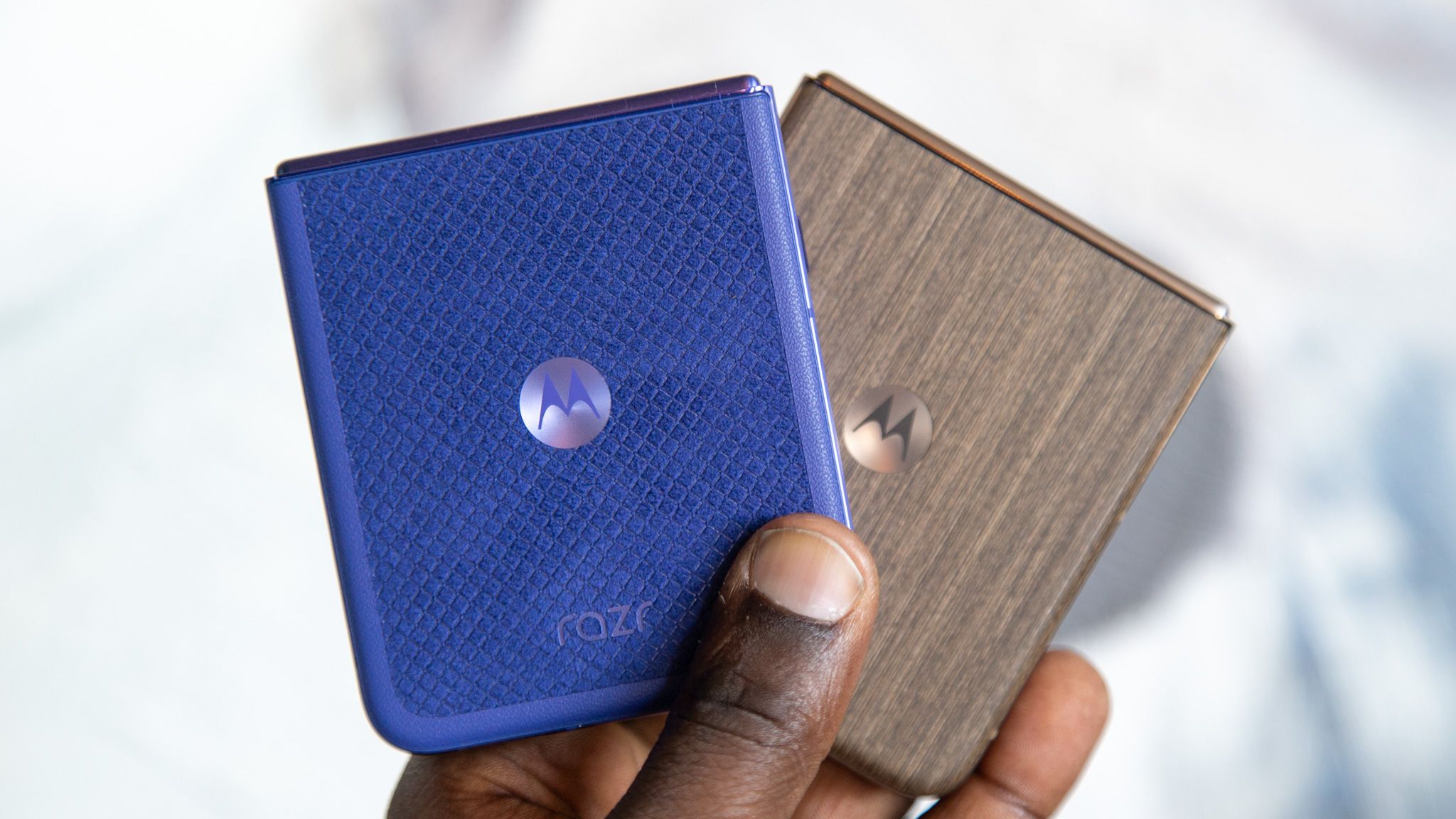
Premium AI Phones Now Come in Two Flavors: Nostalgic Flip and Slab That Costs More Than Your Rent
In a stunning display of consumer choice innovation, the smartphone industry has announced that artificial intelligence will now be available in both foldy and non-foldy form factors, because apparently the most pressing question of 2026 wasn't "do these AI features actually work?" but rather "should my phone bend in half like a laptop from 2003?"
The Motorola Razr Ultra 2026 and Samsung Galaxy S26 Ultra represent the apex of modern smartphone philosophy: take the same collection of machine learning models that can't reliably identify a hot dog, wrap them in either a nostalgic clamshell design or a monolithic rectangle, then charge enough money to fund a small startup's Series A round. Both phones promise "premium AI experiences," which is corporate speak for "we've figured out new ways for your pocket computer to confidently give you wrong answers about everything from restaurant recommendations to whether that rash looks concerning."
The Razr Ultra continues Motorola's bold strategy of "what if we brought back the flip phone, but this time it costs more than a used Honda Civic?" The 2026 model represents the company's commitment to solving problems nobody knew they had, like "how can I make my smartphone break in twice as many ways?" and "what if my phone screen had a permanent crease down the middle, just like my khakis after sitting at a desk all day?" The folding mechanism, engineered with the precision of a Swiss watch and the durability of origami in a rainstorm, allows users to experience the nostalgic satisfaction of dramatically ending phone calls while simultaneously wondering if they've just voided their warranty by closing it too enthusiastically.
Meanwhile, Samsung's Galaxy S26 Ultra takes the opposite approach: what if we made a phone so large and feature-packed that using it feels like carrying around a small tablet that occasionally receives phone calls? The S26 Ultra embodies Samsung's core design philosophy of "more is more, and even more is better," cramming enough cameras onto the back to make a photography student weep with joy and enough processing power to mine cryptocurrency (though Samsung legal would like to clarify that cryptocurrency mining voids your warranty, your dignity, and probably several international treaties). The device's AI capabilities reportedly include the ability to predict what you want to order for lunch, compose emails in your writing style, and generate personalized meditation prompts, though it still can't figure out why your Bluetooth keeps disconnecting every time you walk more than three feet from your laptop.
Both phones feature what the industry calls "premium AI experiences," a term that's becoming as meaningless as "artisanal" on a fast-food menu. These AI features include smart photo editing (because apparently we've decided that reality needs more post-processing), intelligent text suggestions (for when you want your phone to finish your thoughts with the personality of a corporate LinkedIn post), and advanced voice assistants that can now misunderstand your requests in seventeen different languages. The AI can supposedly learn your habits and preferences, though early reviewers report that mostly this means their phones have developed strong opinions about their life choices and aren't shy about sharing them.
The folding Razr appeals to what market researchers call "nostalgic innovators"—people who want cutting-edge technology wrapped in the comforting embrace of early 2000s design language. These are consumers who fondly remember when phones were tools for communication rather than dopamine delivery systems, but who also want those tools to contain the processing power of a small data center. The Razr Ultra satisfies this cognitive dissonance by offering a device that looks like something Zack Morris would use but contains enough artificial intelligence to run a medium-sized European country's traffic management system.
The Galaxy S26 Ultra, conversely, targets "specification maximalists"—individuals who believe that if a phone doesn't require a wheelbarrow for transportation, it's probably not flagship material. Samsung has packed this device with so many features that the user manual reportedly requires its own AI assistant to navigate. The phone includes a stylus (because apparently we're all digital artists now), cameras with enough zoom capability to photograph lunar surface details, and enough storage to house the entire internet archive, plus your ex's Instagram photos that you definitely don't still look at.
The pricing strategy for both devices follows the industry's time-honored tradition of "charge what you think people will pay, then add 20% for the AI tax." Both phones cost enough to make purchasing one feel like a significant life decision on par with choosing a college major or deciding whether to have children. The companies justify these prices by pointing to the advanced AI capabilities, though cynical observers note that most of these features could probably be delivered via a software update to existing devices, if not for the compelling business logic of planned obsolescence.
The reality is that both phones represent incremental improvements wrapped in different form factors and marketed as revolutionary advances. The AI features, while occasionally impressive, mostly perform tasks that humans were doing just fine without silicon assistance, like remembering to call their parents or deciding whether a photo is worth sharing with the internet. The folding screen technology has matured to the point where it probably won't spontaneously develop dead pixels after a month of normal use, which represents genuine progress in the "things that should work correctly from day one" department.
For actual humans trying to decide between these devices, the choice comes down to whether you prefer your expensive AI-powered computer to fold dramatically or stand imposingly. Both will take excellent photos, run apps at ridiculous speeds, and occasionally surprise you with AI features that actually work as advertised. Both will also make you question whether a phone really needs this many cameras, this much processing power, or this deep an integration with machine learning systems that seem primarily designed to show you more targeted advertisements.
The smartphone industry has successfully convinced consumers that artificial intelligence is both revolutionary and necessary, while delivering experiences that feel more like expensive party tricks than genuine productivity enhancements. At least now you can choose whether you want your overpriced AI companion to remind you of flip phones or simply loom over your life like a sleek, rectangular monument to technological excess.