DooDooLamb News
Samsung Messages is going away, so here are 5 the best messaging alternatives
Brief published April 21, 2026 · Original source published April 19, 2026
Original reporting by [email protected] (Sanuj Bhatia), Sanuj Bhatia at androidcentral.com.
Automated brief. Verify important details at the original source.
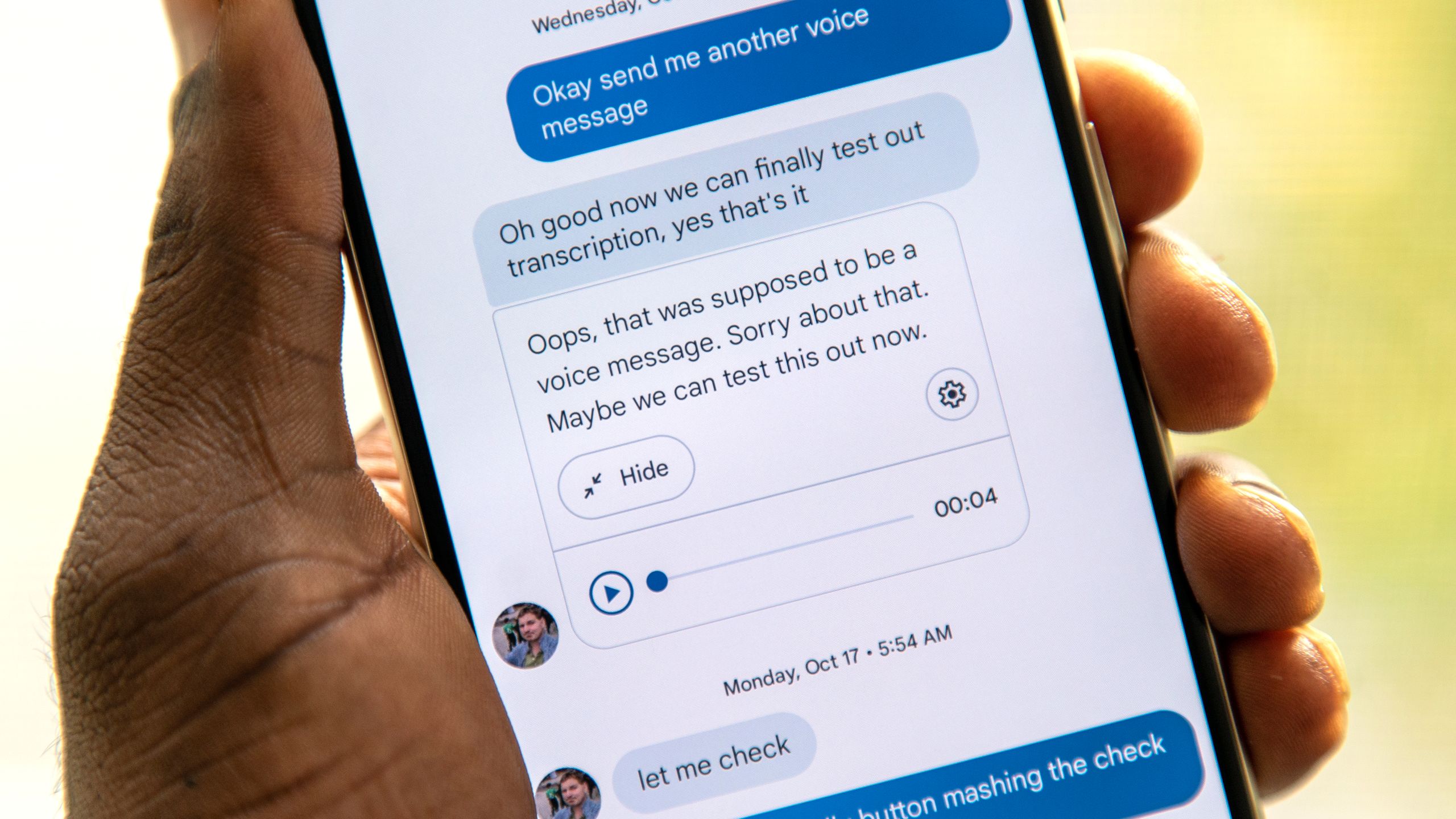
Samsung Finally Admits Nobody Used Their Messages App, Gives Users 18 Months to Pretend They Care
In a stunning display of corporate courage that only took a decade, Samsung has officially confirmed what literally everyone already knew: Samsung Messages is about as necessary as a chocolate teapot. The tech giant announced this week that it's shuttering the app in July 2026, giving users a generous 18-month mourning period to come to terms with losing an app they never opened intentionally.
The news broke with all the fanfare of a firmware update notification, which is fitting since Samsung Messages had roughly the same cultural impact. Samsung has already stopped pre-installing the app on newer Galaxy devices, presumably after conducting extensive market research that consisted of asking one intern "wait, people actually use this?" and receiving a confused shrug in response.
For the uninitiated (which is everyone), Samsung Messages was the company's valiant attempt to convince Android users that they needed yet another messaging app in their already crowded ecosystem of communication failures. While Google was busy creating and killing chat apps with the efficiency of a digital guillotine, Samsung looked at that chaos and thought, "you know what this situation needs? Our own messaging app that does exactly what every other messaging app does, but with more Samsung branding."
The app's feature set read like a greatest hits collection of "things your phone already does": send texts, receive texts, and occasionally display them in the wrong order if you were lucky. Samsung Messages supported RCS (Rich Communication Services), which is Google's latest attempt to make Android texting not terrible by adding features that iMessage had in 2011. RCS lets you send high-quality photos, see when someone is typing, and know when your messages are read, assuming both parties are using compatible apps, have the right carrier settings, and sacrifice the appropriate number of goats to the Android messaging gods.
But Samsung Messages wasn't content to simply exist in obscurity. It also offered Samsung's signature approach to user experience: taking something that works fine and adding just enough proprietary sauce to make it slightly worse. The app came with Samsung's own chat features, backup systems, and integration with other Samsung services that users had already replaced with Google alternatives. It was like getting a store-brand cola that tastes almost like Coke but leaves you questioning your life choices.
The timeline for Samsung Messages' demise reads like a software death march in slow motion. Samsung stopped pre-installing it on new devices sometime in the past year, which is corporate speak for "we're testing how many support tickets we get when this disappears." Existing users can continue using the app until July 2026, at which point Samsung will presumably send one final notification: "Thanks for using Samsung Messages! Please switch to literally any other messaging app that exists."
The recommended alternatives paint a fascinating picture of the modern messaging landscape's beautiful disaster. There's Google Messages, which is Google's current attempt at messaging (until they inevitably kill it and replace it with Google Chat 2: Electric Boogaloo). WhatsApp offers the charm of Facebook integration for users who enjoy having their personal conversations analyzed by the same company that brought you Cambridge Analytica. Telegram provides military-grade encryption for your grocery lists and meme sharing, while Signal exists for people who want to feel superior about their privacy choices while still ultimately just sending "hey" to their friends.
The reality is that Samsung Messages joining the digital graveyard changes absolutely nothing for actual human beings. The app's user base was primarily composed of people who accidentally opened it while trying to find their real messaging app, plus a handful of Samsung employees who were contractually obligated to pretend it was good. This is less "market disruption" and more "finally taking out the trash."
For developers, Samsung Messages' death represents the natural conclusion of platform fragmentation run amok. Android's messaging ecosystem has more moving parts than a Swiss watch factory, with carriers, manufacturers, and Google all adding their own special flavor of dysfunction. Samsung's withdrawal means one less compatibility matrix to worry about, one less edge case to debug, and one fewer app store to maintain messaging integrations for.
Samsung Messages leaves behind a legacy of ambition meeting reality and losing spectacularly. It joins a proud tradition of tech companies learning the hard way that users don't want seventeen different ways to send "k" to their friends. Sometimes the best feature you can ship is the one that never existed in the first place.