DooDooLamb News
The Galaxy S26 still ships with this useful notification feature turned off — thankfully, fixing it is easy
Brief published March 24, 2026 · Original source published March 22, 2026
Original reporting by [email protected] (Sanuj Bhatia), Sanuj Bhatia at androidcentral.com.
Automated brief. Verify important details at the original source.
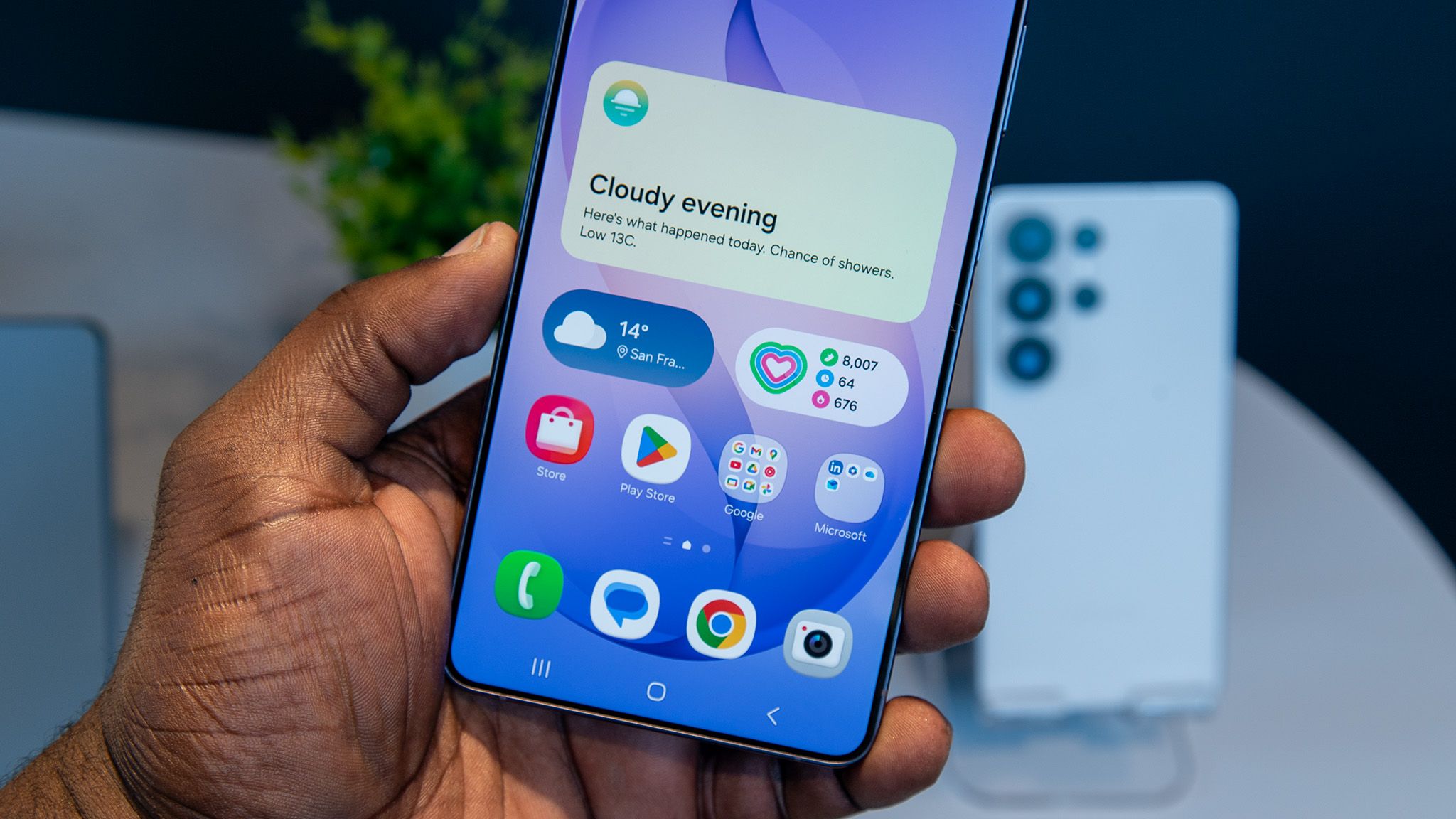
Samsung Ships Galaxy S26 With Notification Settings Configured by Someone Who Clearly Hates Productivity
Samsung has once again delivered a flagship phone that arrives in the wild with all the grace of a shipping container that forgot to drop anchor. The Galaxy S26, which hit stores this week with much fanfare about its Privacy Display feature, comes with notification categories disabled by default, because apparently the company's UX team believes users prefer their alerts served with all the organizational structure of a toddler's toy box.
This is the same Samsung that spent millions convincing you their phones are productivity powerhouses, then ships them configured like they're designed for people who enjoy digital chaos. It's like buying a Ferrari that comes with the parking brake permanently engaged, except the parking brake is your ability to manage which apps are allowed to buzz your pocket at 2 AM.
For those blissfully unaware of notification categories, this feature allows users to granularly control which types of alerts each app can send. Think of it as the difference between having a bouncer at your attention's nightclub versus letting every drunk thought from every app stumble directly into your consciousness. Instagram wants to tell you someone liked your three-month-old vacation photo? You can silence that while still getting alerts for direct messages. Gmail wants to notify you about promotional emails while you're trying to focus? Notification categories let you tell those marketing emails to sit in the corner and think about what they've done.
The feature isn't new, having existed in various forms across Android for years, but Samsung's implementation adds their signature TouchWiz-era flourish of taking something straightforward and wrapping it in enough settings menus to make finding it feel like an archaeological expedition. You'll find notification categories buried three layers deep in Settings, past the Privacy Display toggle that Samsung desperately wants you to notice, beyond the AI-enhanced camera settings that promise to make your lunch photos look professional, nestled somewhere between options you didn't know existed and features that sound important but probably aren't.
What makes this particularly rich is that Samsung has spent the last several product cycles positioning itself as the Android manufacturer for power users. These are phones marketed to people who want granular control, who appreciate having seventeen different ways to customize their lock screen, who genuinely get excited about new multitasking gestures. Yet somehow, the same company that gives you forty-three options for edge lighting effects ships their phones with one of the most practical productivity features turned off. It's like Tesla shipping cars with autopilot disabled because they assume drivers prefer the authentic experience of manually steering through traffic.
The Galaxy S26's notification situation becomes even more absurd when you consider that Samsung's own marketing materials practically beg users to "do more with your phone." They want you to use it for work, for creative projects, for managing your smart home, for replacing half the devices in your life. But then they configure it like it's designed for someone whose primary relationship with technology is passive consumption punctuated by mild annoyance. It's the digital equivalent of selling someone a Swiss Army knife with all the tools glued shut except the bottle opener.
The fix, Samsung assures users, is "easy" (which in Samsung-speak means "requires exactly seven taps through four different settings screens, but hey, at least we didn't make you download a separate app"). You navigate to Settings, tap Notifications, select Advanced features, find App notification categories, toggle it on, then go through each of your apps individually to configure which categories you actually want to receive. Simple! Just like programming your grandmother's VCR was simple, if you had the manual and infinite patience.
This isn't Samsung's first dance with counterintuitive defaults. The company has a proud tradition of shipping phones that feel like they were configured by committee, where each team member got to add their favorite feature but nobody was responsible for ensuring the final product made sense as a cohesive experience. Remember when they shipped phones with Bixby mapped to the volume button? Or when their browser came with ads enabled? Samsung's approach to user experience often feels like they're running a social experiment to see how much friction users will tolerate before switching to an iPhone.
What this really represents is the fundamental disconnect between how tech companies think users interact with their devices and how humans actually live with technology. Samsung's engineers undoubtedly spent months perfecting notification categories, building elegant systems for managing alert granularity, creating what is genuinely a useful feature. Then someone in product management decided that having it enabled by default might confuse users, because nothing says "premium flagship experience" like assuming your customers are too simple to handle having control over their own notifications.
The Galaxy S26 notification fiasco perfectly encapsulates the modern smartphone experience: incredible technical capability undermined by baffling product decisions. It's a phone that can process AI workloads, display content in ways that seemed impossible five years ago, and connect to more devices than most people own, but it ships configured like it's afraid of its own capabilities. Samsung built a notification system sophisticated enough to rival desktop operating systems, then hid it from users like a parent hiding vegetables in a smoothie.
For the developers and power users actually buying these phones, the message is clear: Samsung respects your intelligence enough to build advanced features, but not enough to assume you might want to use them without a treasure hunt first. It's the kind of product decision that makes you wonder if anyone at Samsung actually uses their own phones, or if they all carry devices preconfigured by someone who understands that notifications are meant to serve users, not the other way around.